Monoprint
Explore the painterly freedom of monoprinting, where each print is a unique, one-of-a-kind artwork that bridges painting and printmaking.
Overview
Monoprinting produces unique, one-of-a-kind prints. Unlike other printmaking methods that create editions of identical images, each monoprint is singular—bridging painting and printmaking.
Artists work directly on a smooth plate with ink or paint, then transfer the image to paper. The spontaneity and unpredictability of monoprinting creates exciting, expressive results.
Origins & Evolution
Giovanni Castiglione invented monoprinting in 17th century Italy. Edgar Degas popularized the technique in the 19th century, creating hundreds of monoprints that influenced his paintings and pastels. Today, monoprinting is celebrated for its experimental nature and accessibility to artists of all skill levels.
Key Characteristics
Every print is unique—no editions
Combines painting and printmaking qualities
Allows for spontaneous mark-making
Soft, atmospheric effects achievable
Can incorporate multiple techniques
Ghost prints add value to process
The Process
Prepare the Plate
Use a smooth, non-porous surface like glass, plexiglass, or a gelatin plate. Clean thoroughly before starting.
Create Your Image
Apply ink or paint directly to the plate using brushes, rollers, or fingers. Build your image by adding or subtracting material.
Transfer to Paper
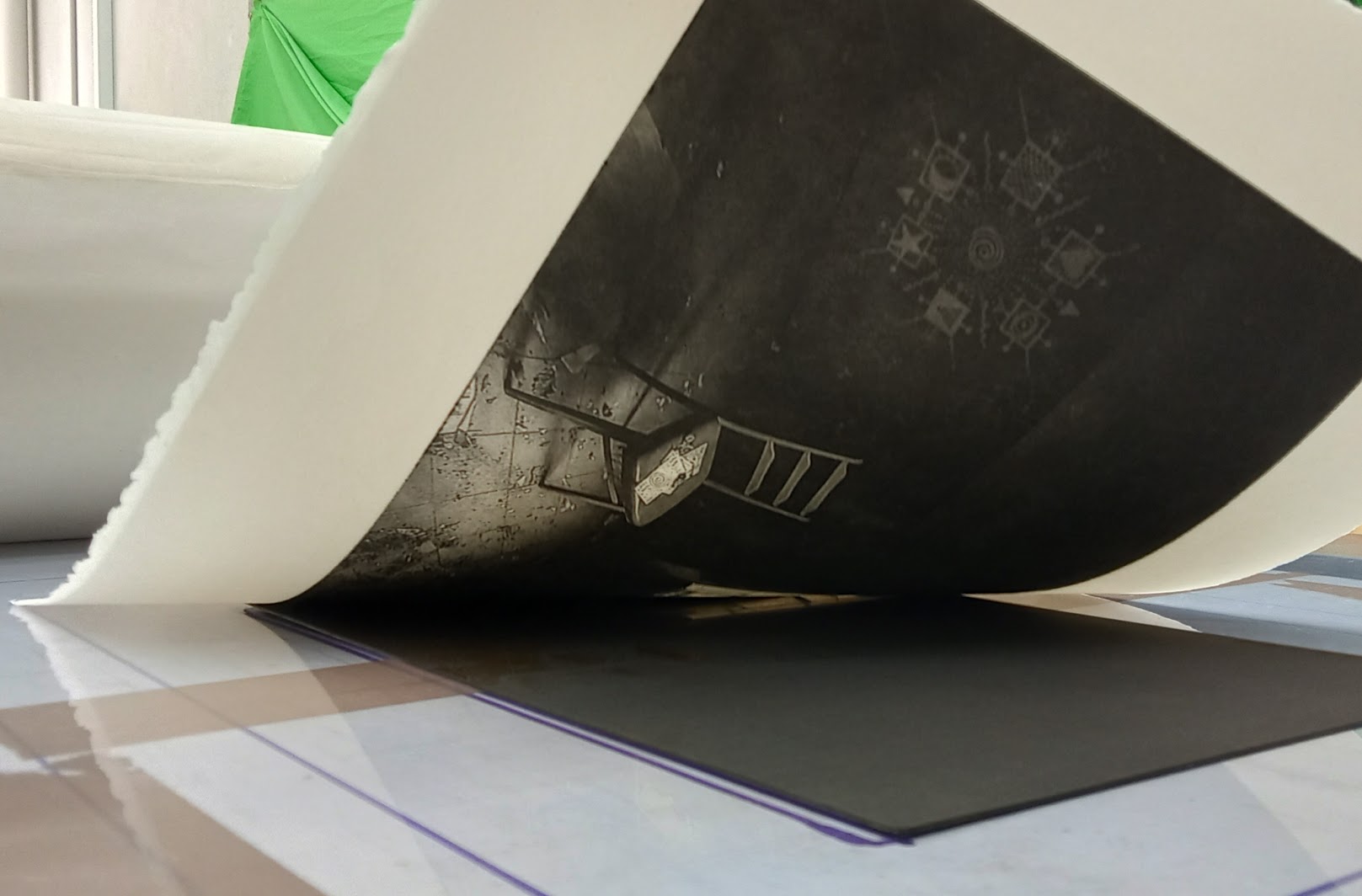
Carefully place paper on the inked plate. Apply pressure by hand or with a press to transfer the image.
Pull and Layer
Peel the paper away to reveal your print. A 'ghost print' can be made from remaining ink. Layer colors with multiple passes.
Ready to Learn?
Join our 10-day printmaking retreat on Samos and master this technique with personal guidance in our studio.